
When Eid al-Adha approaches in Morocco, the country transforms into a tapestry of faith, family, and profound cultural traditions. Scheduled for May 26-29, 2026, this celebration, known as the Festival of Sacrifice, offers a rare window into the authentic heart of Moroccan life. For those seeking to understand Morocco beyond its stunning landscapes and historic cities, Eid al-Adha reveals the values that truly define this nation: generosity, devotion, and community.
Unlike many cultural events adapted for tourism, Eid al-Adha remains deeply personal and genuine. Families prepare for weeks, homes are cleaned and decorated, new clothes are purchased, and the air fills with anticipation. The celebration commemorates Prophet Ibrahim's willingness to sacrifice in obedience to divine will, a story that resonates across cultures and speaks to universal themes of faith and trust.
Understanding Eid al-Adha: More Than a Holiday
The Story Behind the Celebration
Eid al-Adha honors a pivotal moment in Islamic tradition when Prophet Ibrahim demonstrated absolute faith by preparing to sacrifice his son, Ismail, in response to a divine command. At the last moment, God provided a ram as a substitute, acknowledging Ibrahim's devotion. This narrative of obedience, mercy, and divine compassion forms the spiritual foundation of the celebration.
For Morocco, a predominantly Muslim nation, this story carries deep cultural significance that extends far beyond religious observance. The values it embodies, putting faith into action, caring for those in need, and strengthening family bonds are woven into the fabric of Moroccan society throughout the year, but they shine brightest during these sacred days.
The Spiritual Journey of Dhul Hijjah
The celebration doesn't begin suddenly. The first ten days of Dhul Hijjah, the Islamic calendar's final month, are considered among the most blessed times of the year. Moroccans intensify their prayers, increase charitable giving, and engage in deep personal reflection. The ninth day, known as Arafah, holds special significance; many fast from dawn to sunset, seeking spiritual renewal and forgiveness.
This gradual building of spiritual energy culminates on the tenth day when Eid al-Adha officially begins. The timing aligns with the conclusion of the Hajj pilgrimage in Mecca, creating a global moment of unified worship and celebration that connects Muslims across continents.
How Morocco Celebrates: Traditions That Define the Festival
The Morning Prayer and Community Gathering
Eid al-Adha morning in Morocco begins with families dressing in their finest traditional attire elegant kaftans, crisp djellabas, and carefully selected jewelry. Before sunrise, communities gather at mosques or outdoor prayer grounds for Salat al-Eid, a special congregational prayer that differs from daily prayers. The atmosphere combines reverence with joy, as neighbors greet each other with "Eid Mubarak" a blessed celebration, and children's excited voices punctuate the solemnity.
After the prayer, an imam delivers a sermon reminding worshippers of the festival's deeper meaning: sacrifice isn't merely ritual but a reflection of inner devotion and willingness to support those in need. This message sets the tone for the days ahead, where generosity and community care take center stage.
The Ritual of Qurbani: Sacrifice and Sharing
The Qurbani, the ritual sacrifice of a sheep, goat, or cow, represents the festival's most visible tradition. Families who can afford it purchase an animal weeks in advance, ensuring it meets Islamic requirements for health and age. The sacrifice itself follows specific guidelines and is performed with reverence and gratitude.
What happens next reveals Morocco's communal spirit at its finest. The meat is divided into three equal portions: one-third remains with the family, one-third goes to relatives and neighbors, and the final third is distributed to those facing economic hardship. This distribution system, practiced for centuries, ensures that every Moroccan can enjoy a proper feast regardless of financial circumstances.
Walking through Moroccan neighborhoods during Eid, you witness this generosity in motion: children delivering carefully wrapped portions to elderly neighbors, families sharing meals with strangers, and entire communities ensuring no one celebrates alone. The emphasis isn't on individual celebration but on collective joy and shared abundance.
Family Feasts and Cultural Traditions
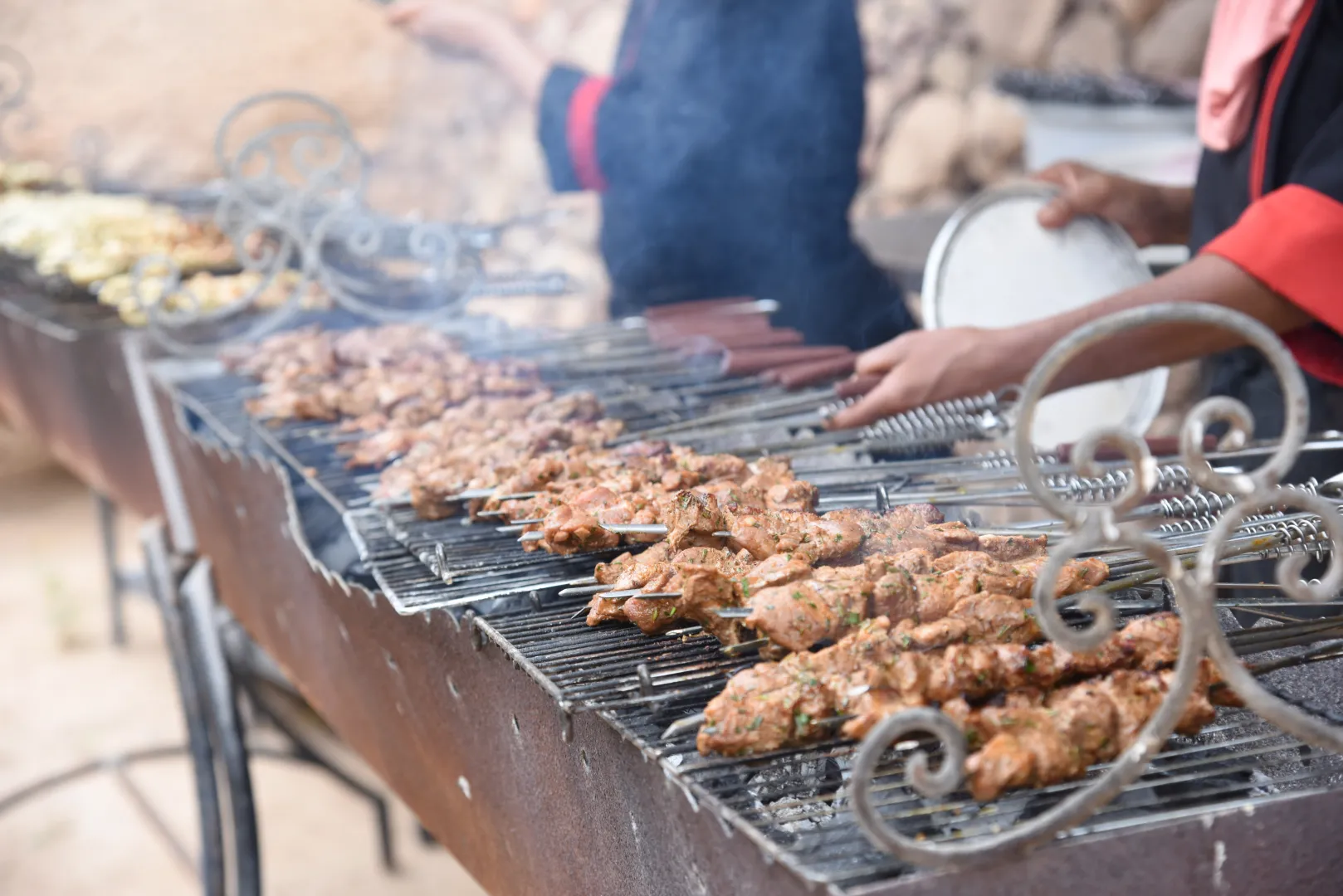
Moroccan homes during Eid al-Adha fill with the aromas of slow-cooked tagines, grilled meats seasoned with cumin and paprika, and sweet pastries prepared days in advance. Extended families gather around low tables, sharing not just food but stories, laughter, and the comfort of togetherness. Elders bless younger family members, children receive gifts of money called "Eidiya," and the atmosphere buzzes with warmth and connection.
Traditional Moroccan hospitality reaches its peak during these days. Guests, expected or unexpected, are welcomed with open arms, offered the best portions, and treated as honored members of the household. This profound generosity reflects core Moroccan values that define the culture year-round but become especially visible during Eid.
Eid al-Adha and Authentic Cultural Experiences
Beyond Tourism: Genuine Cultural Immersion
For those exploring Morocco through incentive travel programs or corporate events, Eid al-Adha presents something increasingly rare in our globalized world: authentic cultural traditions that haven't been commercialized or adapted for tourist consumption. This isn't a festival staged for cameras. It's a genuine expression of Moroccan life, faith, and values.
Corporate teams seeking meaningful cultural immersion discover that Morocco during Eid offers insights no museum tour or guided experience can replicate. The warmth of Moroccan hospitality, already legendary throughout the year, reaches extraordinary levels during these celebrations. Moroccans take genuine pride in sharing their traditions with respectful visitors, and the conversations that emerge around shared meals and cultural exchange create connections that transform standard travel into something profoundly memorable.
Designing Programs Around Cultural Celebrations
Planning incentive travel or congress and seminar programs around Eid requires thoughtful consideration rather than avoidance. With proper planning through an experienced Morocco DMC, the celebration can become a program's centerpiece rather than a logistical challenge. The key lies in designing experiences that respect the holiday's significance while offering teams authentic engagement with Moroccan culture.
Imagine corporate participants welcomed into Moroccan homes for traditional Eid meals, sharing couscous and lamb while learning about the values of generosity and community that define the celebration. Teams might participate in charitable initiatives that align with Eid's emphasis on helping those in need, creating meaningful corporate social responsibility moments. Such experiences don't just create memories; they foster genuine cross-cultural understanding and team bonding in ways conventional programs rarely achieve.
Morocco's Year-Round Appeal for Corporate Programs
Infrastructure Meets Authenticity
The broader appeal of Morocco for corporate events and incentive travel extends well beyond Eid itself. The country offers world-class infrastructure for congress and seminar programs, from modern conference facilities in Marrakech and Casablanca to unique venues in heritage palaces and luxury desert camps. Morocco's geographic diversity allows programs to combine business objectives with extraordinary experiences morning strategy sessions can transition to afternoon team building in the Atlas Mountains or evening gala dinners under Saharan stars.
What distinguishes Morocco as an incentive travel destination is how seamlessly it blends luxury with authenticity. Five-star accommodations sit alongside ancient medinas where artisans practice centuries-old crafts. Participants can enjoy world-class dining one evening and explore vibrant street food markets the next. This range allows programs to be tailored precisely to team preferences and corporate objectives.
The Value of Local Expertise
For those considering Morocco for corporate programs but concerned about cultural calendar complexities, the solution isn't avoiding significant celebrations like Eid; it's partnering with local expertise that understands both opportunities and practicalities. A Morocco-based DMC with deep roots brings relationships with venues, suppliers, and cultural institutions that external operators simply cannot replicate.
They know which riads will offer authentic Eid experiences, which chefs can create memorable fusion menus, and which guides can facilitate meaningful cultural exchanges. This local knowledge transforms potential challenges into program highlights, creating experiences that participants remember and value long after returning home.
Planning Considerations: Timing and Opportunities
The Strategic Window
The weeks immediately before and after Eid al-Adha often offer excellent venue availability and competitive rates, as some international planners avoid the period entirely. Morocco's climate in late May remains ideally warm but not scorching, perfect for both indoor meetings and outdoor activities. This creates opportunities for teams seeking value without compromising on quality or experience.
For programs designed to embrace rather than avoid the celebration, early booking becomes essential. The limited suppliers willing to work during the holiday require advance commitments, and the most sought-after cultural experiences fill quickly. But for those willing to plan ahead, the rewards are immeasurable: access to authentic traditions, meaningful cultural connections, and program experiences that stand apart from standard corporate events.
Cultural Sensitivity and Respect
Understanding Morocco's cultural traditions, including significant celebrations like Eid al-Adha, reflects a broader commitment to respectful, meaningful engagement with destinations. The most impactful incentive programs recognize that cultural intelligence enhances rather than constrains experiences. Teams remember not just where they went but also how they felt, who they met, and what they learned.
Where Tradition Meets Opportunity
Morocco during Eid al-Adha offers something profound: a glimpse into living traditions that have remained essentially unchanged for centuries, practiced not for preservation's sake but because they continue to hold deep meaning for those who observe them. For thoughtful travelers and corporate program planners alike, this represents an opportunity to engage with culture at its most authentic.
Whether you're considering Morocco for incentive travel, planning corporate events, or simply seeking to understand this fascinating country more deeply, Eid al-Adha serves as a powerful reminder of what makes Morocco special. It's not just the stunning landscapes or historic architecture; it's the warmth, generosity, and profound cultural richness that define Moroccan life throughout the year.
Planning corporate programs in Morocco means navigating cultural richness alongside logistical excellence. At No Limits Travel, two decades of experience managing programs across Morocco's diverse landscapes and cultural calendar mean we don't just coordinate events; we create meaningful experiences that resonate long after teams return home.
Ready to explore how Morocco's cultural traditions could enhance your next corporate program? Contact our team for insights on designing authentic experiences, from cultural immersion during celebrations to year-round congress and seminar programs that combine business objectives with unforgettable Moroccan hospitality.